
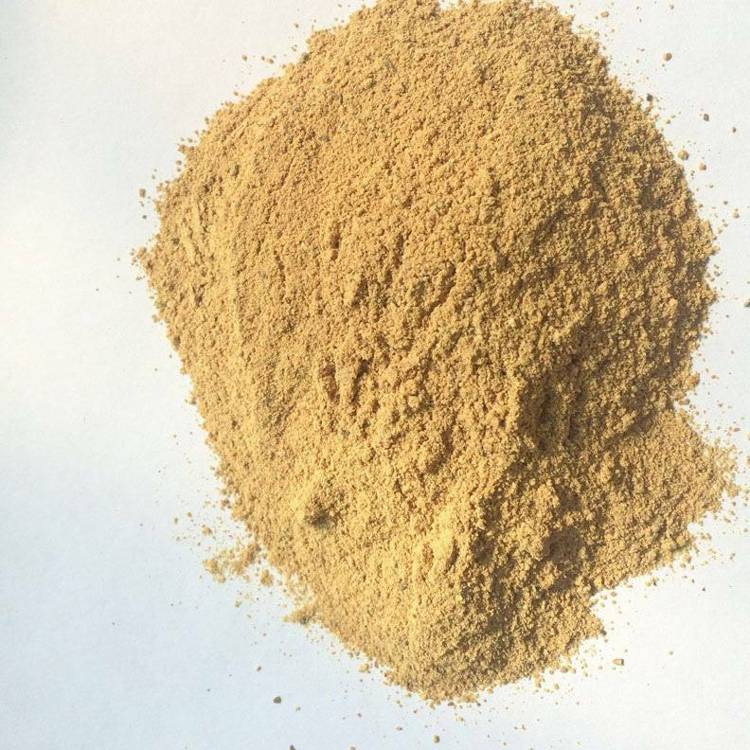
 MGM-15 poeder te koop | Groothandel MGM-15 poeder
Wat is de MGM-15?
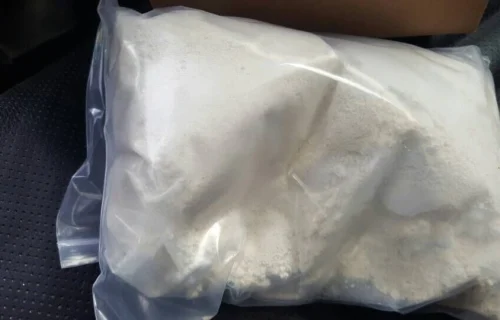
MGM-15 is een opioïde geneesmiddel, een derivaat van 7-hydroxymitragynine, mitragynine, dat wordt verkregen uit de kratomboom uit Zuidoost-Azië.MGM-15 ook bekend als Dihydro-7-hydroxy Mitragynine, DH-7OH-MIT, en DHM is een opioïde medicijn dat een semi-synthetisch derivaat is van 7-hydroxymitragynine, een natuurlijk product afkomstig van de Zuidoost-Aziatische boom kratom.
MGM-15 werd voor het eerst gerapporteerd in 2014. Het is het 1,2-dihydro-derivaat van 7-hydroxymitragynine en vertoont een hogere potentie als een agonist van de mu-opioïdereceptor en delta-opioïdreceptor vergeleken met 7-hydroxymitragynine zelf, is MGM-15 verkocht als een ontwerpersdrug sinds begin 2025, aanvankelijk in de VS. MGM-15 (in sommige literatuur ook aangeduid als dihydro-7-hydroxymitragynine of verwante analoga) is een semi-synthetische stof afgeleid van kratomalcaloïden. Het behoort tot een groeiende klasse van gemodificeerde verbindingen die wisselwerking hebben met opioïde receptoren in de hersenen.
Prijs:
MGM-15 5 g 130 $ Toevoegen aan winkelwagen
MGM-15 10 g 190 $ Toevoegen aan winkelwagen
MGM-15 50 g 450 $ Toevoegen aan winkelwagen Gratis verzending!
MGM-15 100 g 750 $ Toevoegen aan winkelwagen Gratis verzending!
MGM-15 500 g 3000 $ Toevoegen aan winkelwagen Gratis verzending!
MGM-15 1 kg 5000 $ Toevoegen aan winkelwagen Gratis verzending!
-Kies je favoriete producten van Chemsaxis en je bent gegarandeerd van uitstekende kwaliteit voor de beste prijs.
-Enveloppen worden 24 uur na betaling verzonden.
Levertijd 3-4 werkdagen.
100%-leveringssnelheid in heel Europa.
In tegenstelling tot traditionele kratombladerproducten is MGM-15 geen natuurlijk botanisch extract. Het wordt in laboratoriumomgevingen chemisch gemodificeerd om de potentie en receptoractiviteit aan te passen. Hierdoor is het een onderwerp geworden van toenemende belangstelling in de toxicologie, farmacologie en volksgezondheidsmonitoring.
Vroege wetenschappelijke discussie suggereert dat MGM-15 een aanzienlijk sterkere opioïde-receptoractiviteit kan hebben dan van nature voorkomende kratom-alkaloïden, hoewel klinische gegevens bij mensen uiterst beperkt blijven.
Chemische achtergrond en oorsprong van MGM-15 poeder
MGM-15 maakt deel uit van een brede groep gemodificeerde kratomalkaïden. Natuurlijke kratom bevat actieve verbindingen zoals:
- Mitragynine
- 7-hydroxymitragynine (7-OH)
Onderzoekers hebben structurele modificaties van deze moleculen onderzocht om de binding aan opioïde receptoren en het analgetische potentieel beter te begrijpen. MGM-15 lijkt een van deze gemodificeerde derivaten te zijn.
Waarom aanpassing belangrijk is
Chemische modificatie kan aanzienlijk veranderen:
- receptorbindingssterkte
- duur van de effecten
- metabole afbraak
- toxiciteitsrisico
Zelfs kleine structurele veranderingen in opioïde-achtige verbindingen kunnen grote verschillen in werkzaamheid en veiligheid veroorzaken.
Hoe MGM-15 Poederr Werkt in het Lichaam
Op basis van beschikbare preklinische gegevens en analoog onderzoek wordt aangenomen dat MGM-15 primair wisselwerkt met de μ-opioïdereceptoren van de hersenen.
Opioïdereceptoractiviteit
Wanneer substanties deze receptoren activeren, kunnen ze het volgende teweegbrengen:
- pijnstillende effecten
- sedatie
- euforie (in sommige gevallen)
- vertraagde ademhalingsfunctie (dosisafhankelijk risico)
Echter, specifiek voor de MGM-15:
Humane farmacologische gegevens zijn niet beschikbaar, dus alle effecten worden afgeleid van verwante verbindingen en laboratoriumonderzoek.
MGM-15 versus Natuurlijke Kratom
| Functie | Kratomblad | MGM-15 |
|---|---|---|
| Bron | Plantmateriaal | Semi-synthetisch derivaat |
| Belangrijkste alkaloïden | Mitragynine, 7-OH | Gemodificeerd kratomanaloog |
| Potentie | Mild tot matig | Mogelijk aanzienlijk hoger (preklinische conclusie) |
| Onderzoek | Traditionele + beperkte studies | Zeer beperkte wetenschappelijke gegevens |
| Veiligheidsprofiel | Gedeeltelijk bekend | Niet gevestigd |
| Risicovariabiliteit | Lager | Grotere onzekerheid |
Belangrijk onderscheid
Kratom heeft een lange geschiedenis van traditioneel gebruik in Zuidoost-Azië, terwijl MGM-15 een in het laboratorium gemodificeerde verbinding is zonder vergelijkbare historische gegevens over blootstelling aan mensen.
MGM-15 versus 7-hydroxymitragynine (7-OH)
7-hydroxymitragynine is een van de krachtigste natuurlijk voorkomende kratom-alkaloïden. MGM-15 is structureel verwant maar chemisch gemodificeerd.
Belangrijkste verschillen:
- 7-OH komt van nature in kleine hoeveelheden voor in kratom
- MGM-15 is synthetisch aangepast
- MGM-15 kan een sterkere receptorbinding hebben in laboratoriummodellen
- Beide verbindingen hebben geen robuuste klinische veiligheidsdata bij mensen
Waarom MGM-15 onder wetenschappelijke loep ligt
Onderzoekers op het gebied van de volksgezondheid maken zich om verschillende redenen zorgen over verbindingen zoals MGM-15:
1. Onzekerheid over de potentie
Kleine veranderingen in de chemische structuur kunnen leiden tot grote stijgingen in de activiteit van opioïde receptoren.
2. Gebrek aan menselijke studies
Er zijn geen grootschalige klinische onderzoeken waarin het volgende wordt onderzocht:
- veilige doseringsbereiken
- langetermijneffecten
- verslavingspotentieel
3. Marktfluctuaties
Producten die als kratomderivaten worden gelabeld, kunnen sterk variëren in:
- zuiverheid
- concentratie
- risico op besmetting
4. Risicoprofiel van de opioïdenklasse
Compounds that act on μ-opioid receptors inherently carry risks such as:
- sedatie
- respiratory depression (dose-related)
- tolerance and dependence potential
Early Research Observations
Preclinical studies on related kratom-derived compounds suggest:
- strong opioid receptor binding in laboratory models
- analgesic-like effects in animal studies
- variability in metabolic stability
However:
These findings do not confirm safety or effectiveness in humans.
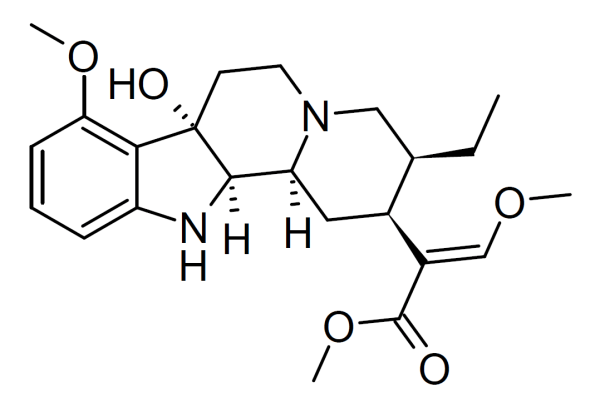
| Synoniemen |
|
| IUPAC | methyl (E)-2-[(2S,3S,7aS,12aR,12bS)-3-ethyl-7a-hydroxy-8-methoxy-2,3,4,6,7,12,12a,12b-octahydro-1H-indolo[2,3-a]quinolizin-2-yl]-3-methoxyprop-2-enoate |
| Formule | C23H32N2O5 |
| Molecuulgewicht | 416.5 g/mol |
| CAS | 1158901-38-2 |
| Uiterlijk | Een kristallijne vaste stof |
| Zuiverheid | ≥ 98 % |
MGM-15 Side Effects: What Research Suggests
Because MGM-15 has not been studied in controlled human trials, its side effect profile is inferred from its structural similarity to kratom alkaloids and other μ-opioid receptor agonists.
Possible short-term effects
- Sedation or drowsiness
- Dizziness or slowed reaction time
- Nausea or gastrointestinal discomfort
- Reduced alertness
- Mood changes (euphoria or dysphoria depending on dose)
- Itching or flushing (reported in opioid-like compounds)
Potential dose-dependent risks
As potency increases, opioid receptor activation may lead to:
- Respiratory depression (slowed breathing)
- Severe sedation
- Loss of coordination
- Confusion or cognitive impairment
These risks are theoretical for MGM-15 but well-established for compounds acting on μ-opioid receptors.
Dependence, Tolerance, and Addiction Risk
One of the major concerns with MGM-15 is its potential for dependence.
Why dependence may occur
Compounds that activate opioid receptors can cause the brain to adapt over time, leading to:
- tolerance (needing higher doses for the same effect)
- physical dependence
- psychological cravings
Possible withdrawal symptoms
If use is stopped suddenly, symptoms may include:
- muscle aches
- irritability and anxiety
- insomnia
- sweating
- nausea
- strong cravings
- restlessness
Who may be at higher risk
Risk increases with:
- frequent or daily use
- escalating doses
- combining with other depressants (alcohol, benzodiazepines)
- using for self-medication of stress, pain, or trauma
MGM-15 Overdose Risk: What We Know
Overdose risk is one of the most critical concerns with emerging synthetic or semi-synthetic opioids.
Why risk is difficult to predict
MGM-15 products may vary widely in:
- concentratie
- zuiverheid
- adulterants
- mislabeling
This creates uncertainty about actual dose exposure.
Possible overdose symptoms
- extremely slow or stopped breathing
- unresponsiveness
- blue lips or fingertips (cyanosis)
- gurgling or choking sounds
- inability to wake up
- severe sedation
Emergency response
If overdose is suspected:
- call emergency services immediately
- administer naloxone (if available)
- keep the person awake if possible
- monitor breathing until help arrives
Naloxone may reverse opioid receptor effects, but emergency care is still essential.
Drug Interactions and Dangerous Combinations
MGM-15 may pose increased risk when combined with other central nervous system depressants.
High-risk combinations include:
- alcohol
- benzodiazepines (e.g., diazepam, alprazolam)
- prescription opioids
- sleep medications
- sedating antihistamines
Why combinations are dangerous
These substances can amplify:
- respiratory depression
- sedatie
- impaired coordination
- overdose likelihood
Is MGM-15 Legal?
The legal status of MGM-15 is unclear and varies widely.
Key points:
- It is not universally scheduled under international drug conventions
- Some jurisdictions regulate kratom-derived alkaloids broadly
- New psychoactive substance laws may apply in certain regions
- Legal status can change rapidly as regulators respond to emerging analogs
Important note
Even when not explicitly scheduled, compounds like MGM-15 may fall under:
- analogue laws
- consumer safety regulations
- controlled substance derivatives depending on jurisdiction
MGM-15 vs Other Emerging Synthetic Opioids
MGM-15 is part of a broader category of emerging compounds including:
- modified kratom alkaloids
- synthetic opioids
- nitazene-class substances (in some illicit markets)
Key difference
Unlike fully synthetic opioids, MGM-15 is derived from a natural plant scaffold but chemically modified to alter potency and receptor binding.https://chemsaxis.com/mgm-15/
Frequently Asked Questions
What is MGM-15 in simple terms?
MGM-15 is a semi-synthetic compound derived from kratom alkaloids that may interact with opioid receptors more strongly than natural kratom.
Is MGM-15 the same as kratom?
No. Kratom is a natural plant product, while MGM-15 is chemically modified in laboratory settings.
Can MGM-15 be addictive?
Based on its opioid receptor activity, it may carry a risk of dependence, though human studies are not available.
Is MGM-15 dangerous?
It may pose risks similar to other opioid-like substances, especially due to lack of dosing and safety data.
Can naloxone reverse MGM-15 effects?
It may help in opioid-like overdoses, but emergency medical care is still required.
Best place to buy MGM 15 online
MGM-15 is an emerging semi-synthetic kratom-derived compound that has raised concern in scientific and public health communities due to its potential opioid receptor activity and lack of human safety data.
While early research suggests increased potency compared to natural kratom alkaloids, there is still significant uncertainty regarding its effects in humans, safe dosage ranges, and long-term risks.
As with other novel psychoactive substances, the primary challenge with MGM-15 is not only its pharmacology but the lack of standardized research and regulation.
References (Authoritative Sources)
- U.S. Food and Drug Administration (FDA) – Consumer updates on kratom alkaloids
- United Nations Office on Drugs and Crime (UNODC) – Early Warning Advisory on New Psychoactive Substances
- Center for Forensic Science Research and Education (CFSRE) – NPS Discovery Monographs
- Drug Testing and Analysis Journal (2025) – Kratom-derived semi-synthetic opioid research
- Associated Press (2025) – Reports on regulatory actions regarding kratom-related compounds
- Matsumoto K, Narita M, Muramatsu N, Nakayama T, Misawa K, Kitajima M, et al. (March 2014). “Orally active opioid μ/δ dual agonist MGM-16, a derivative of the indole alkaloid mitragynine, exhibits potent antiallodynic effect on neuropathic pain in mice”. The Journal of Pharmacology and Experimental Therapeutics. 348 (3): 383–392. doi:10.1124/jpet.113.208108. PMC 6067406. PMID 24345467.
- Raffa RB, ed. (2014). Kratom and Other Mitragynines. doi:10.1201/b17666. ISBN 978-1-4822-2519-8.
- Chin KY, Mark-Lee WF (2018). “A Review on the Antinociceptive Effects of Mitragyna speciosa and Its Derivatives on Animal Model”. Current Drug Targets. 19 (12): 1359–1365. doi:10.2174/1389450118666170925154025. PMID 28950813.
- Bhowmik S, Galeta J, Havel V, Nelson M, Faouzi A, Bechand B, et al. (June 2021). “Site selective C-H functionalization of Mitragyna alkaloids reveals a molecular switch for tuning opioid receptor signaling efficacy”. Nature Communications. 12 (1) 3858. Bibcode:2021NatCo..12.3858B. doi:10.1038/s41467-021-23736-2. PMC 8219695. PMID 34158473.
- Smith MT, Kong D, Kuo A, Imam MZ, Williams CM (February 2022). “Analgesic Opioid Ligand Discovery Based on Nonmorphinan Scaffolds Derived from Natural Sources”. Journal of Medicinal Chemistry. 65 (3): 1612–1661. doi:10.1021/acs.jmedchem.0c01915. PMID 34995453.
- Gour A, Mukhopadhyay S, Henderson A, Awad A, Seabra MA, Pullman M, et al. (September 2025). “From Kratom to Semi-Synthetic Opioids: The Rise and Risks of MGM-15”. Drug Testing and Analysis dta.3952. doi:10.1002/dta.3952. PMID 40936282.
- “Schedules of Controlled Substances: Temporary Placement of Mitragynine Pseudoindoxyl, MGM-15, and MGM-16 in Schedule I”. Federal Register. 2026-07-06. Retrieved 2026-07-03.

 English
  Dutch
Dutch  German
  Chinese
  Italian
  Spanish
  Portuguese
  Russian
  French