
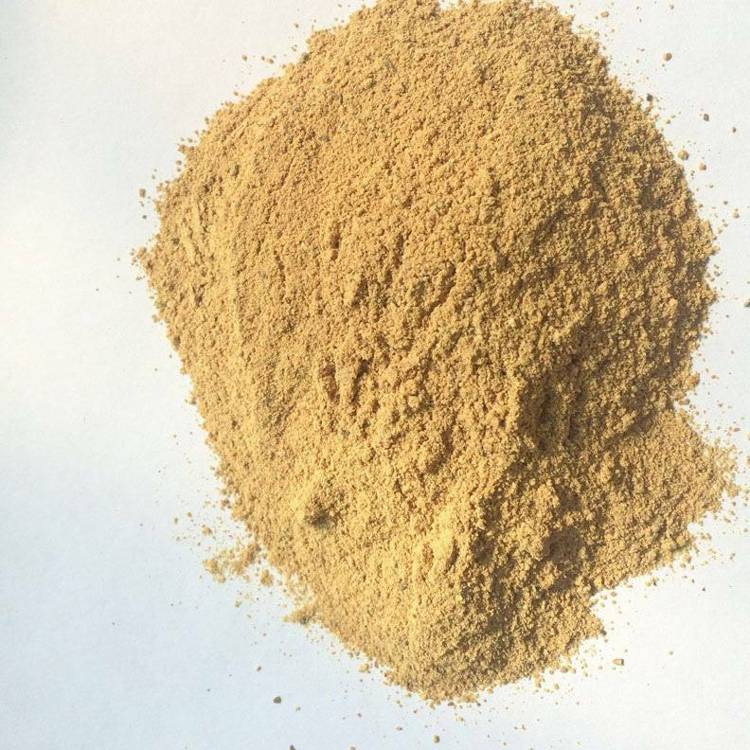
 MGM-15 Powder for sale | Wholesale MGM-15 Powder
What Is MGM-15?
MGM-15 is an opioid drug, a derivative of 7-hydroxymitragynine, mitragynine, which is obtained from the kratom tree from Southeast Asia.MGM-15 also known as Dihydro-7-hydroxy Mitragynine, DH-7OH-MIT, and DHM is an opioid drug which is a semi-synthetic derivative of 7-hydroxymitragynine, a natural product derived from the South-East Asian tree kratom.
MGM-15 was first reported in 2014. It is the 1,2-dihydro derivative of 7-hydroxymitragynine and shows higher potency as an agonist of the mu opioid receptor and delta opioid receptor compared to 7-hydroxymitragynine itself. MGM-15 has been sold as a designer drug since early 2025, initially in the USA.MGM-15 (also referred to in some literature as dihydro-7-hydroxymitragynine or related analog compounds) is a semi-synthetic substance derived from kratom alkaloids. It belongs to a growing class of modified compounds that interact with opioid receptors in the brain.
Price:
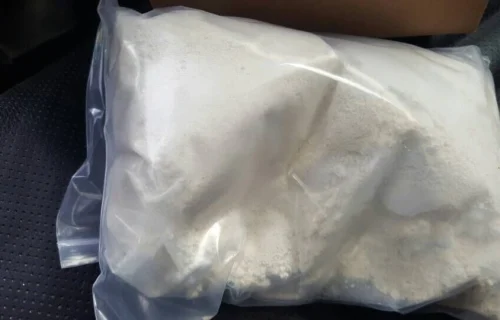
MGM-15 5 g 130 $ Add to cart
MGM-15 10 g 190 $ Add to cart
MGM-15 50 g 450 $ Add to cart Free shipping!
MGM-15 100 g 750 $ Add to cart Free shipping!
MGM-15 500 g 3000 $ Add to cart Free shipping!
MGM-15 1 kg 5000 $ Add to cart Free shipping!
-Choose your favorite products from Chemsaxis, and you are guaranteed excellent quality at the best price.
-Envelopes are sent 24 hours after payment.
Delivery time 3-4 business days.
100% delivery speed throughout Europe.
Unlike traditional kratom leaf products, MGM-15 is not a natural botanical extract. It is chemically altered in laboratory settings to modify potency and receptor activity. Because of this, it has become a subject of increasing interest in toxicology, pharmacology, and public health monitoring.
Early scientific discussion suggests MGM-15 may have significantly stronger opioid receptor activity than naturally occurring kratom alkaloids, although human clinical data remains extremely limited.
Chemical Background and Origin of MGM-15 Powder
MGM-15 is part of a broader group of modified kratom alkaloids. Natural kratom contains active compounds such as:
- Mitragynine
- 7-hydroxymitragynine (7-OH)
Researchers have explored structural modifications of these molecules to better understand opioid receptor binding and analgesic potential. MGM-15 appears to be one of these modified derivatives.
Why modification matters
Chemical modification can significantly change:
- receptor binding strength
- duration of effects
- metabolic breakdown
- toxicity risk
Even small structural changes in opioid-like compounds can produce large differences in potency and safety.
How MGM-15 Powder Works in the Body
Based on available preclinical data and analog research, MGM-15 is believed to interact primarily with the brain’s μ-opioid receptors.
Opioid receptor activity
When substances activate these receptors, they may produce:
- pain relief effects
- sedation
- euphoria (in some cases)
- slowed respiratory function (dose-dependent risk)
However, for MGM-15 specifically:
Human pharmacological data is not available, so all effects are inferred from related compounds and laboratory research.
MGM-15 vs Natural Kratom
| Feature | Kratom Leaf | MGM-15 |
|---|---|---|
| Source | Plant material | Semi-synthetic derivative |
| Main alkaloids | Mitragynine, 7-OH | Modified kratom analog |
| Potency | Mild–moderate | Potentially significantly higher (preclinical inference) |
| Research | Traditional + limited studies | Very limited scientific data |
| Safety profile | Partially known | Not established |
| Risk variability | Lower | Higher uncertainty |
Important distinction
Kratom has a long history of traditional use in Southeast Asia, while MGM-15 is a laboratory-modified compound with no comparable historical human exposure data.
MGM-15 vs 7-Hydroxymitragynine (7-OH)
7-hydroxymitragynine is one of the most potent naturally occurring kratom alkaloids. MGM-15 is structurally related but chemically modified.
Key differences:
- 7-OH occurs naturally in small amounts in kratom
- MGM-15 is synthetically altered
- MGM-15 may have stronger receptor binding in laboratory models
- Neither compound has robust clinical safety data in humans
Why MGM-15 Is Under Scientific Scrutiny
Public health researchers are concerned about compounds like MGM-15 for several reasons:
1. Potency uncertainty
Small changes in chemical structure can lead to large increases in opioid receptor activity.
2. Lack of human studies
There are no large-scale clinical trials evaluating:
- safe dosage ranges
- long-term effects
- dependence potential
3. Market variability
Products labeled as kratom derivatives may vary significantly in:
- purity
- concentration
- contamination risk
4. Opioid-class risk profile
Compounds that act on μ-opioid receptors inherently carry risks such as:
- sedation
- respiratory depression (dose-related)
- tolerance and dependence potential
Early Research Observations
Preclinical studies on related kratom-derived compounds suggest:
- strong opioid receptor binding in laboratory models
- analgesic-like effects in animal studies
- variability in metabolic stability
However:
These findings do not confirm safety or effectiveness in humans.
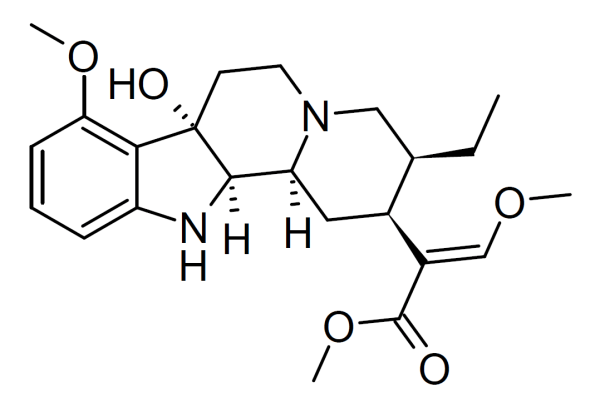
| Synonyms |
|
| IUPAC | methyl (E)-2-[(2S,3S,7aS,12aR,12bS)-3-ethyl-7a-hydroxy-8-methoxy-2,3,4,6,7,12,12a,12b-octahydro-1H-indolo[2,3-a]quinolizin-2-yl]-3-methoxyprop-2-enoate |
| Formula | C23H32N2O5 |
| Molecular weight | 416.5 g/mol |
| CAS | 1158901-38-2 |
| Appearance | A crystalline solid |
| Purity | ≥ 98 % |
MGM-15 Side Effects: What Research Suggests
Because MGM-15 has not been studied in controlled human trials, its side effect profile is inferred from its structural similarity to kratom alkaloids and other μ-opioid receptor agonists.
Possible short-term effects
- Sedation or drowsiness
- Dizziness or slowed reaction time
- Nausea or gastrointestinal discomfort
- Reduced alertness
- Mood changes (euphoria or dysphoria depending on dose)
- Itching or flushing (reported in opioid-like compounds)
Potential dose-dependent risks
As potency increases, opioid receptor activation may lead to:
- Respiratory depression (slowed breathing)
- Severe sedation
- Loss of coordination
- Confusion or cognitive impairment
These risks are theoretical for MGM-15 but well-established for compounds acting on μ-opioid receptors.
Dependence, Tolerance, and Addiction Risk
One of the major concerns with MGM-15 is its potential for dependence.
Why dependence may occur
Compounds that activate opioid receptors can cause the brain to adapt over time, leading to:
- tolerance (needing higher doses for the same effect)
- physical dependence
- psychological cravings
Possible withdrawal symptoms
If use is stopped suddenly, symptoms may include:
- muscle aches
- irritability and anxiety
- insomnia
- sweating
- nausea
- strong cravings
- restlessness
Who may be at higher risk
Risk increases with:
- frequent or daily use
- escalating doses
- combining with other depressants (alcohol, benzodiazepines)
- using for self-medication of stress, pain, or trauma
MGM-15 Overdose Risk: What We Know
Overdose risk is one of the most critical concerns with emerging synthetic or semi-synthetic opioids.
Why risk is difficult to predict
MGM-15 products may vary widely in:
- concentration
- purity
- adulterants
- mislabeling
This creates uncertainty about actual dose exposure.
Possible overdose symptoms
- extremely slow or stopped breathing
- unresponsiveness
- blue lips or fingertips (cyanosis)
- gurgling or choking sounds
- inability to wake up
- severe sedation
Emergency response
If overdose is suspected:
- call emergency services immediately
- administer naloxone (if available)
- keep the person awake if possible
- monitor breathing until help arrives
Naloxone may reverse opioid receptor effects, but emergency care is still essential.
Drug Interactions and Dangerous Combinations
MGM-15 may pose increased risk when combined with other central nervous system depressants.
High-risk combinations include:
- alcohol
- benzodiazepines (e.g., diazepam, alprazolam)
- prescription opioids
- sleep medications
- sedating antihistamines
Why combinations are dangerous
These substances can amplify:
- respiratory depression
- sedation
- impaired coordination
- overdose likelihood
Is MGM-15 Legal?
The legal status of MGM-15 is unclear and varies widely.
Key points:
- It is not universally scheduled under international drug conventions
- Some jurisdictions regulate kratom-derived alkaloids broadly
- New psychoactive substance laws may apply in certain regions
- Legal status can change rapidly as regulators respond to emerging analogs
Important note
Even when not explicitly scheduled, compounds like MGM-15 may fall under:
- analogue laws
- consumer safety regulations
- controlled substance derivatives depending on jurisdiction
MGM-15 vs Other Emerging Synthetic Opioids
MGM-15 is part of a broader category of emerging compounds including:
- modified kratom alkaloids
- synthetic opioids
- nitazene-class substances (in some illicit markets)
Key difference
Unlike fully synthetic opioids, MGM-15 is derived from a natural plant scaffold but chemically modified to alter potency and receptor binding.https://chemsaxis.com/mgm-15/
Frequently Asked Questions
What is MGM-15 in simple terms?
MGM-15 is a semi-synthetic compound derived from kratom alkaloids that may interact with opioid receptors more strongly than natural kratom.
Is MGM-15 the same as kratom?
No. Kratom is a natural plant product, while MGM-15 is chemically modified in laboratory settings.
Can MGM-15 be addictive?
Based on its opioid receptor activity, it may carry a risk of dependence, though human studies are not available.
Is MGM-15 dangerous?
It may pose risks similar to other opioid-like substances, especially due to lack of dosing and safety data.
Can naloxone reverse MGM-15 effects?
It may help in opioid-like overdoses, but emergency medical care is still required.
Best place to buy MGM 15 online
MGM-15 is an emerging semi-synthetic kratom-derived compound that has raised concern in scientific and public health communities due to its potential opioid receptor activity and lack of human safety data.
While early research suggests increased potency compared to natural kratom alkaloids, there is still significant uncertainty regarding its effects in humans, safe dosage ranges, and long-term risks.
As with other novel psychoactive substances, the primary challenge with MGM-15 is not only its pharmacology but the lack of standardized research and regulation.
References (Authoritative Sources)
- U.S. Food and Drug Administration (FDA) – Consumer updates on kratom alkaloids
- United Nations Office on Drugs and Crime (UNODC) – Early Warning Advisory on New Psychoactive Substances
- Center for Forensic Science Research and Education (CFSRE) – NPS Discovery Monographs
- Drug Testing and Analysis Journal (2025) – Kratom-derived semi-synthetic opioid research
- Associated Press (2025) – Reports on regulatory actions regarding kratom-related compounds
- Matsumoto K, Narita M, Muramatsu N, Nakayama T, Misawa K, Kitajima M, et al. (March 2014). “Orally active opioid μ/δ dual agonist MGM-16, a derivative of the indole alkaloid mitragynine, exhibits potent antiallodynic effect on neuropathic pain in mice”. The Journal of Pharmacology and Experimental Therapeutics. 348 (3): 383–392. doi:10.1124/jpet.113.208108. PMC 6067406. PMID 24345467.
- Raffa RB, ed. (2014). Kratom and Other Mitragynines. doi:10.1201/b17666. ISBN 978-1-4822-2519-8.
- Chin KY, Mark-Lee WF (2018). “A Review on the Antinociceptive Effects of Mitragyna speciosa and Its Derivatives on Animal Model”. Current Drug Targets. 19 (12): 1359–1365. doi:10.2174/1389450118666170925154025. PMID 28950813.
- Bhowmik S, Galeta J, Havel V, Nelson M, Faouzi A, Bechand B, et al. (June 2021). “Site selective C-H functionalization of Mitragyna alkaloids reveals a molecular switch for tuning opioid receptor signaling efficacy”. Nature Communications. 12 (1) 3858. Bibcode:2021NatCo..12.3858B. doi:10.1038/s41467-021-23736-2. PMC 8219695. PMID 34158473.
- Smith MT, Kong D, Kuo A, Imam MZ, Williams CM (February 2022). “Analgesic Opioid Ligand Discovery Based on Nonmorphinan Scaffolds Derived from Natural Sources”. Journal of Medicinal Chemistry. 65 (3): 1612–1661. doi:10.1021/acs.jmedchem.0c01915. PMID 34995453.
- Gour A, Mukhopadhyay S, Henderson A, Awad A, Seabra MA, Pullman M, et al. (September 2025). “From Kratom to Semi-Synthetic Opioids: The Rise and Risks of MGM-15”. Drug Testing and Analysis dta.3952. doi:10.1002/dta.3952. PMID 40936282.
- “Schedules of Controlled Substances: Temporary Placement of Mitragynine Pseudoindoxyl, MGM-15, and MGM-16 in Schedule I”. Federal Register. 2026-07-06. Retrieved 2026-07-03.

 English
  Dutch
Dutch  German
  Chinese
  Italian
  Spanish
  Portuguese
  Russian
  French