
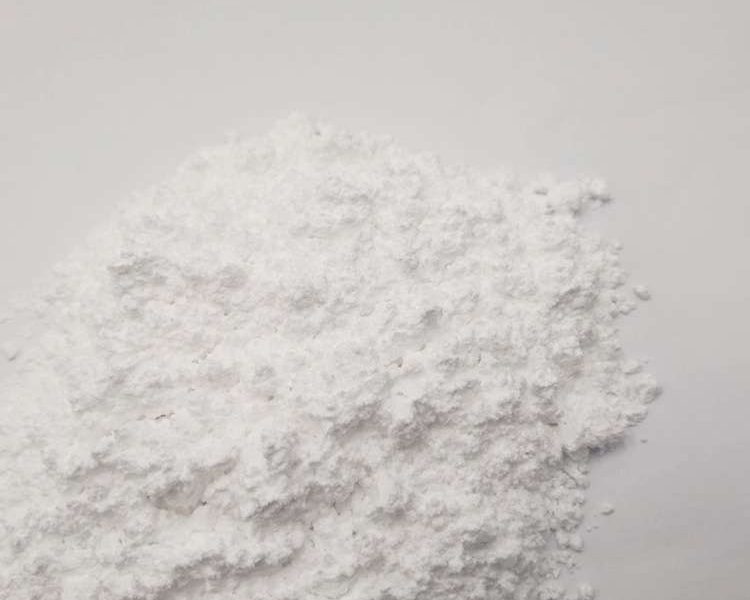
Fluclotizolam| buy Fluclotizolam online
Buy Fluclotizolam online from Chems Axis. Fluclotizolam is a sedative benzodiazepine drug, a derivative of thienotriazolodiazepine was synthesized in 1979, but has never been used for medical purposes, its effect on GABA receptors can be compared with lorazepam, as studies on rodents show.
Price:
Fluclotizolam 5 g 110 $ Add to cart
Fluclotizolam 10 g 190 $ Add to cart
Fluclotizolam 50 g 420 $ Add to cart Free shipping!
Fluclotizolam 100 g 620 $ Add to cart Free shipping!
Fluclotizolam 500 g 2800 $ Add to cart Free shipping!
Fluclotizolam 1 kg 4400 $ Add to cart Free shipping!
Fluclotizolam is presented as a designer drug, not for human use and use, not for veterinary purposes. This substance is controlled by law in countries such as the UK, Germany and Canada.
You can buy Fluclotizolam online right now at Chemsaxis.
What exactly is Fluclotizolam?
Fluclotizolam is a thienotriazolodiazepine derivative first synthesized in 1979 but never marketed. It was then advertised as a design drug, first identified in 2017.
Uses of Fluclotizolam
Fluclotizolam is an innovative benzodiazepine that affects the nervous system’s central part. It is considered a derivative of Etizolam, a prevalent drug within the same category. Etizolam is mainly utilized in other nations as anti-anxiety medicine and is available for purchase. Fluclotizolam can be three times more potent than Etizolam; however, its effects last only half as long and typically last up to 6 hours. It’s almost like flour. It’s also been consumed as a liquid.
The effects of Fluclotizolam
We know that it’s a benzodiazepine relaxing agent that can cause insomnia in users. It’s also not a minor anxiolytic-like other benzo/thienodiazepines. Fluclotizolam can be a nervous system depressant, triggering “blackouts.”The drug is a hypnotic agent that can be hypnotizing, with 0.5 mg as the typical dose taken via a blotter soaked with liquid.
The history of Fluclotizolam
Fluclotizolam was initially synthesized around 1979 in Hoffmann La Roche, Inc. and then patent-pending. The drug became available through black market sales in 2017 as a legal “research chemical.
Classification
Molecular Structure Analysis
Fluclotizolam’s molecular structure features a diazepine ring fused with a triazole and a thieno group. The presence of chlorine and fluorine substituents significantly influences its pharmacological activity:
- Structural Features:
Structural Data
- Molecular Formula: C15H10ClFN4S
- Molecular Weight: 332.8 g/mol
- CAS Number: 54123-15-8
Chemical Reactions Analysis
Fluclotizolam can undergo various chemical reactions typical of benzodiazepine derivatives:
- Hydroxylation: This reaction leads to the formation of hydroxy metabolites that may exhibit altered pharmacological properties.
- Glucuronidation: Conjugation with glucuronic acid enhances solubility and excretion.
- Reactivity: The chlorine atom can participate in nucleophilic substitution reactions under certain conditions .
Mechanism of Action
Fluclotizolam primarily acts as a positive allosteric modulator at the GABA_A receptor:
- Binding Site: It binds to the benzodiazepine site on the GABA_A receptor, enhancing the inhibitory effects of GABA (gamma-aminobutyric acid).
- Pharmacodynamics:
Pharmacokinetics
Fluclotizolam is metabolized primarily by cytochrome P450 enzymes (CYP3A4/5), with significant variability in metabolism due to genetic polymorphisms among individuals .
Physical and Chemical Properties Analysis
Fluclotizolam exhibits specific physical and chemical properties that are relevant for its analysis:
Applications
Despite its initial lack of therapeutic use, fluclotizolam has been identified in various forensic cases as a designer drug:
- Recreational Use: It has been used recreationally due to its sedative effects similar to those of traditional benzodiazepines.
- Forensic Toxicology: Increasingly relevant in toxicology reports and studies related to new psychoactive substances .
- Research Tool: May serve as a model compound in studies investigating the pharmacological profiles of new benzodiazepine derivatives.
Introduction to Fluclotizolam in the Context of Novel Psychoactive Substances (NPS)
Historical Synthesis and Patent Development of Fluclotizolam
Fluclotizolam (chemical name: 2-chloro-4-(2-fluorophenyl)-9-methyl-4H-thieno[3,2-f][1,2,4]triazolo[4,3-a][1,4]diazepine; molecular formula: C₁₅H₁₀ClFN₄S) was first synthesized in 1979 by the pharmaceutical company Hoffmann-La Roche, as documented in US Patent 4,155,913 [1] [4]. This patent detailed its synthesis as part of a broader exploration of thienotriazolodiazepine derivatives – structurally distinct from classical 1,4-benzodiazepines due to the replacement of a benzene ring with a thiophene ring and the incorporation of a triazolo moiety [1] [6]. Despite its early discovery, fluclotizolam was never developed or approved for clinical use, remaining a pharmacological curiosity without therapeutic application for nearly four decades [1] [4].
The synthetic pathway described in the original patent involves complex heterocyclic chemistry, utilizing multi-step reactions to form the characteristic thienotriazolodiazepine core. This structure confers high affinity for the GABAA receptor, similar to other benzodiazepine analogs, but with potentially altered pharmacokinetic properties [1] [7]. The compound’s structural features include:
- A chloro-substitution at the R2 position of the thieno ring
- A fluorine atom on the pendant phenyl ring
- A methyl group on the triazolo ringThese modifications were designed to enhance receptor binding and metabolic stability compared to earlier benzodiazepines [1] [4].
Table 1: Key Patent and Synthesis Details of Fluclotizolam
| Property | Detail |
|---|---|
| Patent Number | US 4,155,913 |
| Filing Year | 1979 |
| Assignee | Hoffmann-La Roche Inc. |
| Chemical Class | Thienotriazolodiazepine |
| Initial Development Status | Never marketed; shelved compound |
| Key Structural Features | Thiophene ring, triazolo ring, 2-fluorophenyl substituent |
Emergence as a Designer Benzodiazepine in Global Illicit Markets
Fluclotizolam remained obscure until 2017, when it was definitively identified in seized drug samples in Denmark and Sweden, marking its debut as a novel psychoactive substance (NPS) [1] [4]. This emergence coincided with intensified regulatory controls on classical benzodiazepines and other designer compounds (e.g., etizolam, phenazepam), creating a market niche for unscheduled analogs [3]. Initial encounters involved green tablets and blotter paper forms – packaging strategies borrowed from hallucinogen markets to facilitate discreet distribution [4].
The drug’s appearance in illicit markets represents a case study in “pharmacological resurrection,” wherein shelved pharmaceutical compounds are repurposed as designer drugs [1] [3]. Several factors contributed to its appeal within the NPS ecosystem:
- Legal Ambiguity: Unlike therapeutic benzodiazepines, fluclotizolam had no medical presence, complicating regulatory classification [3] [4]
- Potency Profile: As a thienotriazolodiazepine, it exhibits high GABAA receptor affinity, with self-reported user effects including intense sedation and muscle relaxation lasting up to 14 hours [4]
- Supply Chain Integration: Online vendors marketed it explicitly as a “research chemical,” exploiting jurisdictional loopholes in pharmaceutical legislation [3] [4]
Between 2017-2023, fluclotizolam appeared in global forensic reports, though with less frequency than other designer benzodiazepines like etizolam or flubromazolam. A 2021 review of designer benzodiazepines noted its presence in toxicological screenings, but insufficient case data prevented comprehensive risk assessment [3]. Analytical characterization confirmed its identity via liquid chromatography-tandem mass spectrometry (LC-MS/MS), with seizures primarily occurring in Europe and North America [1] [2].
Table 2: Global Emergence Pattern of Fluclotizolam as a Designer Drug
| Timeline | Event | Jurisdictions |
|---|---|---|
| 1979 | Initial synthesis and patenting | Global (patent) |
| Pre-2017 | No known illicit presence | N/A |
| 2017 | First forensic identification in seized samples | Denmark, Sweden |
| 2018-2020 | Appearance in online “research chemical” markets | United States, European Union |
| 2021-2023 | Documented in toxicology screenings (postmortem/DUI cases) | UK, Germany, North America |
Legal and Regulatory Challenges in Classification
The regulatory status of fluclotizolam demonstrates significant international fragmentation, reflecting challenges in controlling non-pharmaceutical benzodiazepines. As of 2025:
- Canada: Classified under Schedule IV of the Controlled Drugs and Substances Act [1]
- Germany: Regulated under the NpSG (New Psychoactive Substances Act), permitting only industrial/scientific use [1]
- United Kingdom: Controlled under the Psychoactive Substances Act (2016) [1]
- United States: Remains unscheduled at the federal level, though subject to analogue laws in some states [4]
This patchwork classification stems from fluclotizolam’s unique status: a pharmacologically active compound with no therapeutic history, avoiding pre-emptive scheduling [3] [4]. International bodies like the UNODC face challenges in scheduling such compounds because the 1971 Convention on Psychotropic Substances requires evidence of therapeutic use or significant abuse potential – data that is scarce for recently emerged NPS
Detection complications further impede control efforts:
- Metabolic Uncertainty: Phase I/II metabolism pathways remain uncharacterized in humans, hampering toxicological surveillance
- Analytical Limitations: Immunoassays often fail to detect novel benzodiazepines; confirmation requires advanced LC-MS/MS
- Dosage Form Variability: Tablets and blotters contain inconsistent concentrations (typically 0.5mg pellets), complicating potency assessments
The European Monitoring Centre for Drugs and Drug Addiction (EMCDDA) has flagged thienotriazolodiazepines as particularly problematic due to their high potency and extended durations of action. However, scheduling momentum has focused more on prevalent DBZs like etizolam and flualprazolam, which were added to Schedule IV of the UN Convention on Psychotropic Substances in 2020-2021 . Fluclotizolam’s lower market presence has resulted in regulatory inertia, exemplifying how transient NPS compounds exploit gaps in international drug control frameworks.
Table 3: Comparative International Legal Status of Fluclotizolam (2025)
| Country/Region | Regulatory Status | Governing Legislation |
|---|---|---|
| Canada | Schedule IV | Controlled Drugs and Substances Act |
| Germany | NpSG-controlled | New Psychoactive Substances Act |
| United Kingdom | Class B (Psychoactive Substances Act) | Psychoactive Substances Act (2016) |
| United States | Unscheduled (federally) | Controlled Substances Act (Analogue Act applicable) |
| Australia | Presumed analogue control | Poisons Standard |
| Sweden | Narcotics Control | Narcotic Drugs Criminal Act |
Properties
CAS Number
Product Name
IUPAC Name
Molecular Formula
Molecular Weight
InChI
InChI Key
SMILES
Canonical SMILES
Fluclotizolam is a designer drug intended for research and forensic analysis. Fluclotizolam is produced in modern pharmaceutical laboratory in compliance with all quality standards.
Storage conditions: in a cool and dry place,
storage for up to 2 years.

Synonyms: Fluclotizolam
IUPAC: 2-chloro-4-(2-fluorophenyl)-9-methyl-4H-thieno[3,2-f] [1,2,4]triazolo[4,3-a] [1,4]diazepine
Formula: C15H10ClFN4S
Molecular weight: 332.78 g·mol−
CAS: 54123-15-8
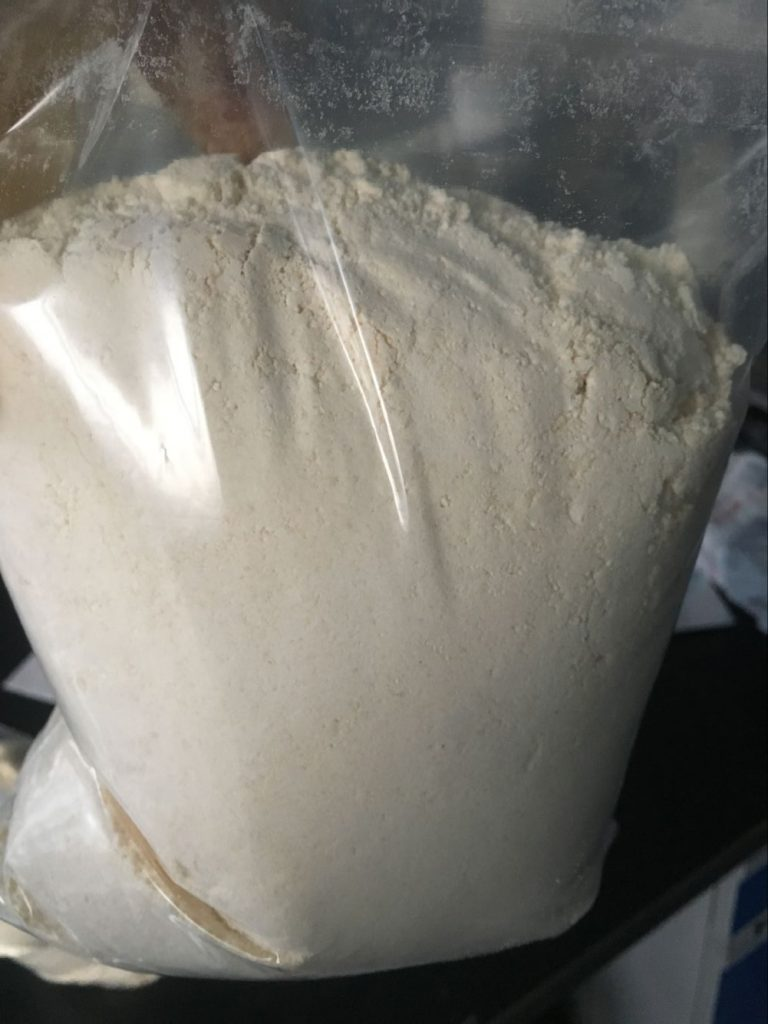
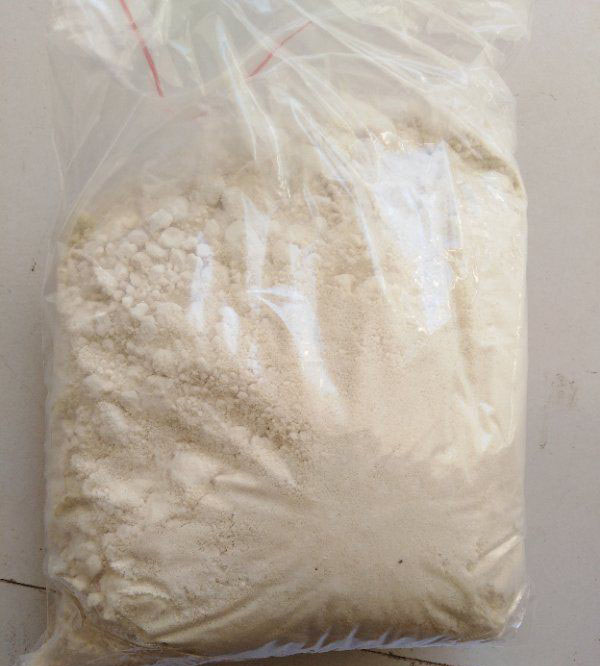
Appearance: A crystalline solid, Powder
Purity: ≥ 98%
-Choose your favorite products from Chemsaxis, and you are guaranteed excellent quality at the best price.
-Envelopes are sent 24 hours after payment.
Delivery time 3-4 business days.
100% delivery speed throughout Europe.
-You must know the legal status of the product you order in your country.
-When ordering on our website from 250 US dollars, delivery at our expense. The manager automatically excludes shipping costs when ordering from $ 250.


 English
  Dutch
Dutch  German
  Chinese
  Italian
  Spanish
  Portuguese
  Russian
  French